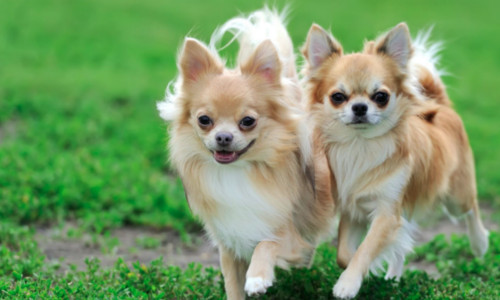
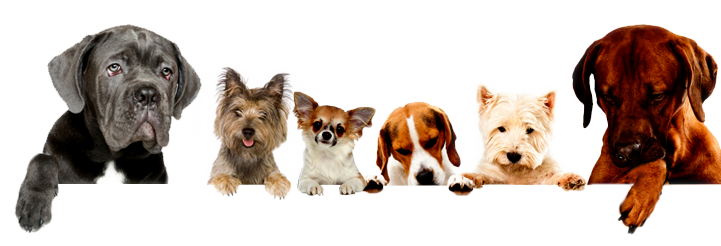




For Conformation dog shows, dog breeds in Australia are classified into seven groups based on their original purpose and function. These groupings help showcase the traits and characteristics that define each breed.
Dogs Australia (the Australian National Kennel Council) establishes and maintains breed standards for all recognised breeds. These standards are typically based on the country of origin’s definition of the breed. In addition, many breeds have a breed standard extension document, which provides further insight into their history, temperament, and unique characteristics.
Below are the seven breed groups and an overview of their defining traits:
Group 1 – Toy Dogs
Toy breeds are small dogs primarily bred as companions. They thrive on human attention and can be affectionate and lively. Despite their small stature, they often have big personalities and excel in dog sports such as Agility, Dances with Dogs, Flyball, and Trick Dog. Examples include the Pug, Cavalier King Charles Spaniel, and Bichon Frise.
Group 2 – Terriers
Terriers were originally bred to hunt vermin, making them clever, alert, and energetic. They are often feisty and fun-loving, with strong hunting instincts. Many terriers excel in sports such as Earthdog, Lure Coursing, and Scent Work. Popular breeds in this group include the Jack Russell Terrier, Airedale Terrier, and Staffordshire Bull Terrier.
Group 3 – Gundogs
Gundogs are bred to assist hunters in the field, with many excelling in retrieving, pointing, and flushing game. They are known for their friendly and intelligent nature and often require plenty of exercise and mental stimulation. These breeds are well-suited to activities such as Obedience Training, Tracking, Retrieving Trials, and Scent Work. Common gundog breeds include the Labrador Retriever, Golden Retriever, and Cocker Spaniel.
Group 4 – Hounds
Hounds were developed for hunting, relying on either keen eyesight (sighthounds) or an exceptional sense of smell (scent hounds). Today, they are often used for search and detection work. While independent and strong-willed, they are also affectionate and loyal. They excel in sports such as Tracking, Scent Work, and Lure Coursing. Breeds in this group include the Beagle, Irish Wolfhound, Dachshund, Greyhound, and Rhodesian Ridgeback.
Group 5 – Working Dogs
Often regarded as the "brains of the dog world," working dogs were bred to herd and protect livestock. They are intelligent, energetic, and highly trainable, making them excellent companions for active owners. Many of these breeds perform exceptionally in dog sports like Obedience, Agility, Herding, Tracking, and Scent Work. Common breeds include the Border Collie, Australian Kelpie, German Shepherd, and Welsh Corgi.
Group 6 – Utility Dogs
This diverse group includes breeds originally developed for specific working roles such as guarding, pulling sleds, or assisting humans in various tasks. They are often strong, protective, and independent. Many Utility breeds thrive in activities like Agility, Herding, Endurance, Draft Tests, and Sled Sports. Breeds in this group include the Dobermann, Rottweiler, Samoyed, and Siberian Husky.
Group 7 – Non-Sporting Dogs
The Non-Sporting group is a diverse collection of breeds that do not fit into other categories. These dogs vary greatly in appearance, size, and temperament. Their sporting preferences also differ by breed, with activities such as Agility, Obedience, and Trick Dog being popular choices. Breeds in this group include the Dalmatian, Chow Chow, Poodle, Boston Terrier, and Shar Pei.
To explore each breed’s full standard and history, visit the individual breed pages linked below.
Tips for Choosing the Right Dog
- Consider your lifestyle – Do you want an energetic dog or a couch companion?
- Think about training needs – Some dogs need firm leadership and mental stimulation.
- Assess space requirements – Apartment-friendly dogs differ from those needing large yards.
- Research breed-specific health concerns – Some breeds have common medical issues to be aware of.
- Meet the breed – If possible, visit breeders or rescue groups to interact with the breed before deciding
\
Take the Breed Matcher Questionnaire to learn which breed may suit you.